
Mental Health Awareness Week activation plan
A simple, flexible schedule for activating Mental Health Awareness Week at your school, workplace, home or community space.
If you’re looking to run activities during Mental Health Awareness Week itself, but aren’t sure where to start, this guide is for you.
We’ve listed five ideas that allow you to dig a little deeper the theme of Belonging Matters.
Each idea follows the same easy format: Do an activity, Watch a story, and Read a resource. Use the full set or pick and mix.
Activation one
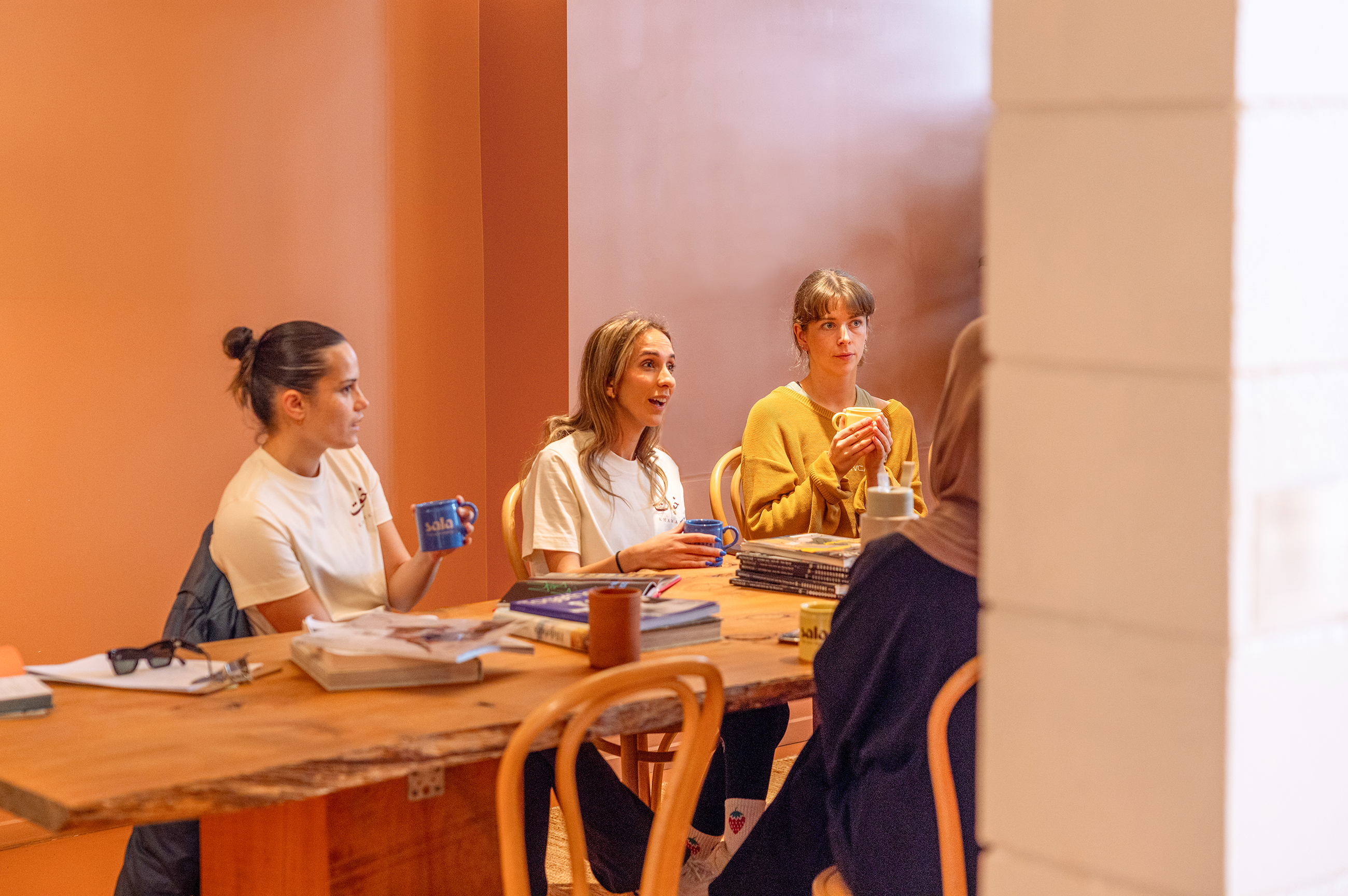
Have a chat | Kōrero mai
At the heart of wellbeing is a simple human need: to belong.
On this day, we invite you to foster belonging through whanaungatanga, and to understand more deeply how a sense of belonging can affect wellbeing.
Do: Kōrero cards
Use the Kōrero Cards in your free Mental Health Awareness Week Event Pack, or download them here.
Pair people who do not know each other well. Use a card prompt to start a conversation and build connection.
Watch: Riley’s story
Watch Riley’s story about how intersecting identities can create connection, community and belonging.
Reflect: Where do you feel you belong? Invite people to share their whakaaro.
Read: Why belonging matters
Read why belonging matters and why it is this year’s Mental Health Awareness Week theme.


Activation two
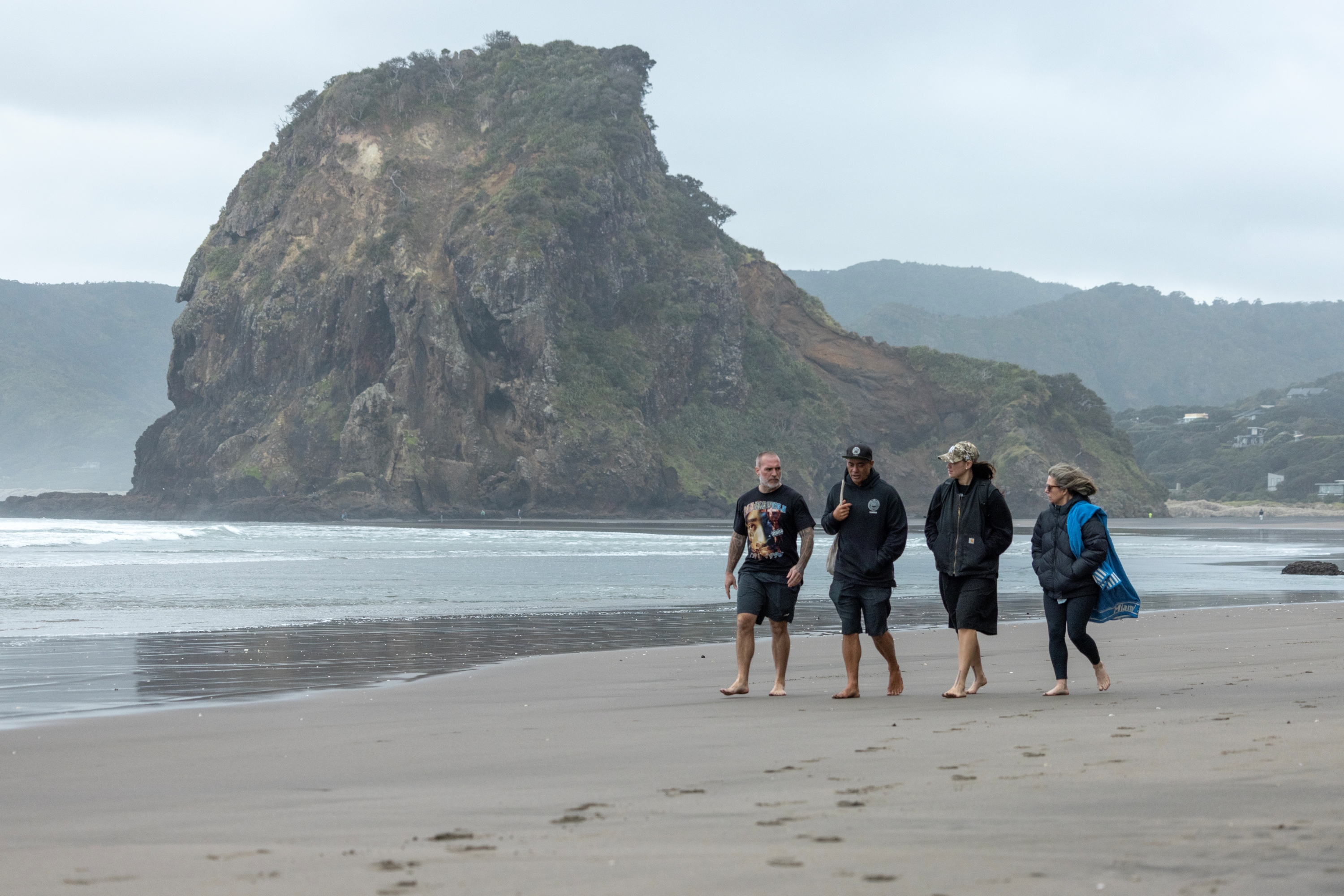
Find things in common
We all deserve to feel like we belong.
But some people experience more loneliness more than others, including young people, migrants, disabled people, members of the rainbow community and solo parents. When we discover shared experiences, interests and values, it becomes easier to build understanding and create spaces where everyone feels welcome.
Do: In Common Bingo
Use In Common Bingo to get people talking and learning about one another. Choose the version for workplaces, primary schools or secondary schools.
Watch: Eman’s story
Watch Eman’s story about how connection, culture and community shape belonging.
Reflect: Think of someone whose life experience differs from yours. What could you learn from them?
Read: InCommon
Read about InCommon, an organisation that grew as a response to the 2019 Christchurch mosque attacks, then identify one practical way your group can bridge differences and create connection.


Activation three
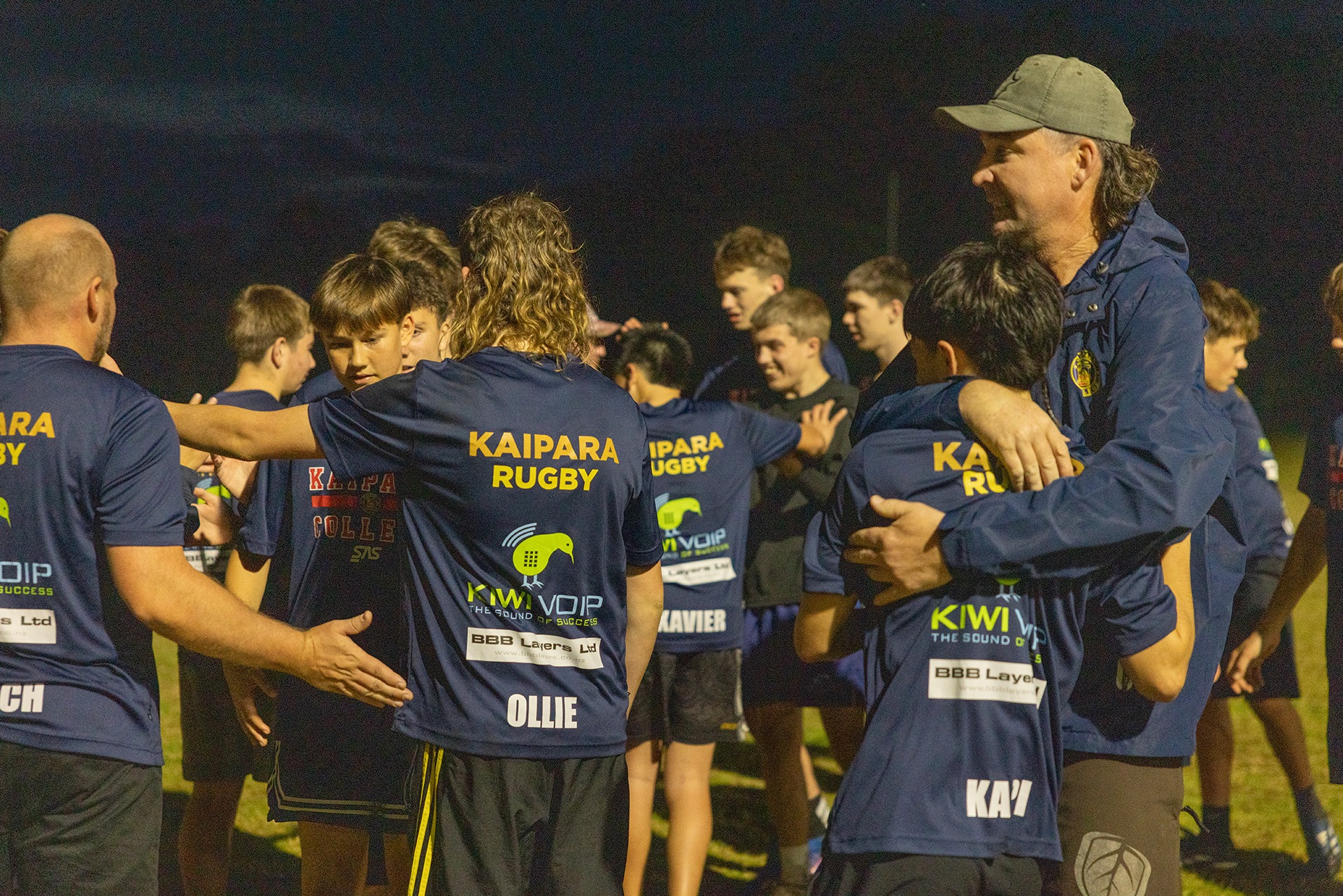
Make the effort
Belonging doesn't just happen; it's something we create together.
When someone is experiencing loneliness or social isolation, reaching out can feel incredibly difficult. That's why those of us who feel connected have an important role to play. A simple invitation, check-in or act of inclusion can make a meaningful difference in helping someone feel they belong.
Do: Reach out
Set aside a few minutes to contact someone you have not seen in a while - especially someone who may feel isolated. Write a postcard, send a text or call for a kōrero.
You could also thank someone who helps others feel welcome.
Watch: The Narbeys’ story
Watch Sue and Scott Narbey’s story about how clubs, sport and supportive adults can create belonging for rangatahi.
Reflect: Consider the groups that have made you feel welcome and consider how you could extend the welcome you have received to someone else?
Read: Youth wellbeing
Read our article on youth wellbeing and think about how you can help a young person in your life feel valued, included and supported.


Activation four
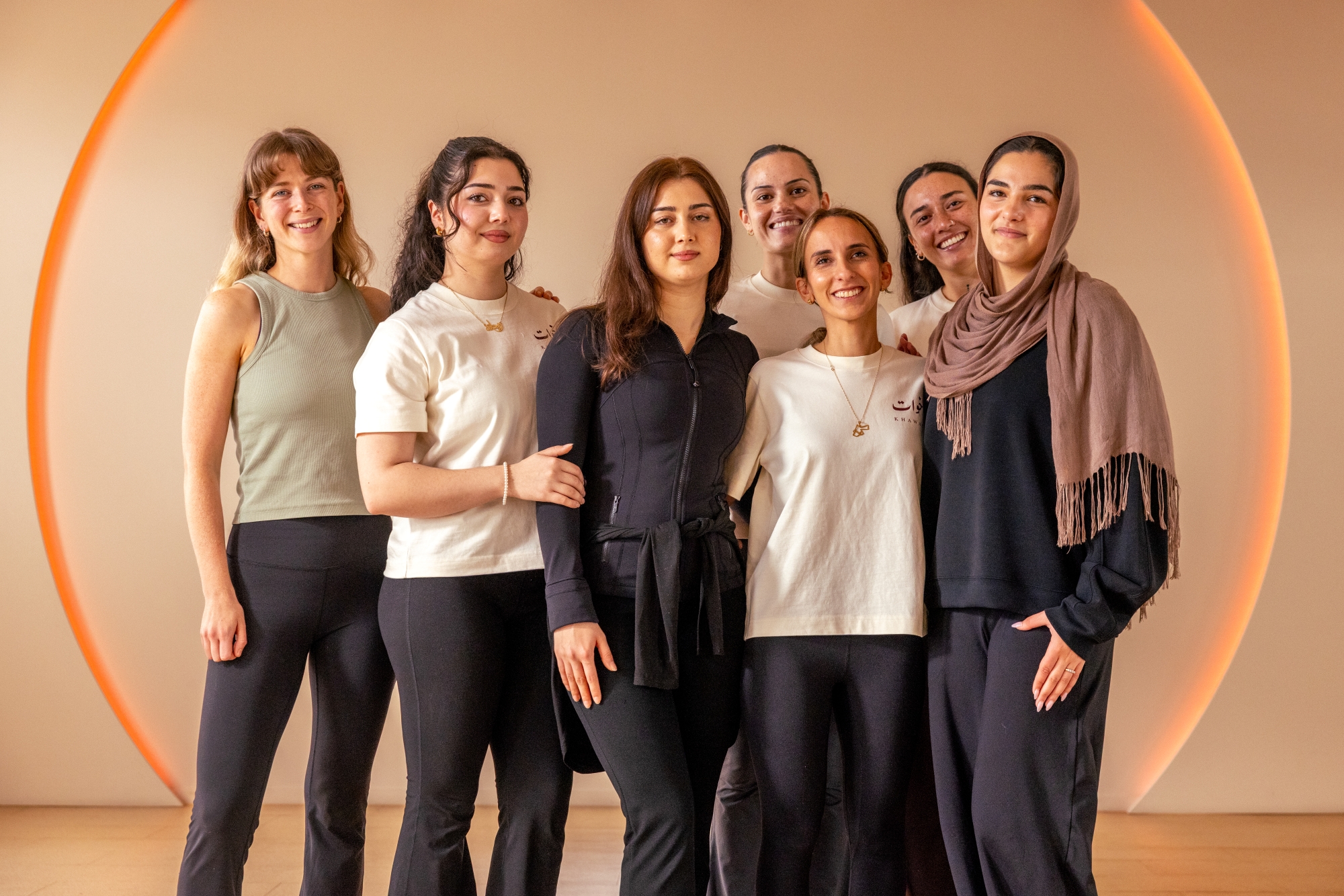
Realise your impact
Every effort to include someone has a ripple effect.
When people feel connected and valued, wellbeing improves. Belonging builds trust, strengthens resilience and helps communities come together during both everyday life and challenging times. The simple actions we take to help others feel included can have a much bigger impact than we realise.
Do: Share a connection
This Mental Health Awareness Week we want to celebrate the small moments that build connection. Download the social media stamp and share a moment of connection or why belonging matters to you. Tag @mhfnz and use #MHAWNZ.
Watch: Jemarl’s story
Watch Jemarl’s story about using lived experience to create opportunities for others.
Reflect: Think about what knowledge, skills or experience you have that others can learn from.
Read: The Speed Freaks
Read the story about The Speed Freaks and consider how shared purpose can create belonging in unexpected places.



Activation five
Small everyday actions
Helping someone feel like they belong doesn't always require a grand gesture.
The most meaningful moments of connection are often the simplest: a smile, remembering someone's name, helping your neighbour with their bins, or making room for another voice. While big initiatives can create change, it's our everyday actions that build belonging over time.
Do: Gratitude poster
Display the Mental Health Awareness Week Gratitude Poster in a shared space. Invite people to tear off a strip and share a compliment that brightens someone’s day.
Watch: Sylvia Park School
Watch to see how this one Auckland school prioritises belonging and the positive impact this has on its students/tauira.
Read: Sam Whitelock’s story
Read Sam Whitelock’s reflections on the small gestures that make a place feel like home and help people feel seen.


Whether you choose one activity or all five, every action is an opportunity to strengthen connection and remind someone that they matter. Because when people feel they belong, wellbeing grows, relationships deepen, and communities become stronger for everyone.


Every dollar helps build a kinder, more inclusive Aotearoa
Your support makes a real difference
Was this page useful?