You can help a young person feel they belong
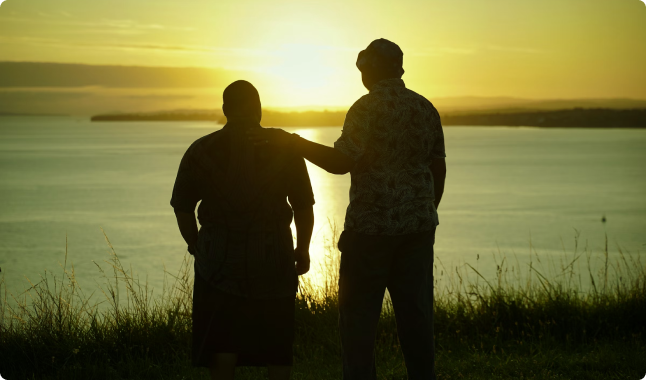
Whether you're a parent, teacher, coach, employer or neighbour, your everyday actions can help build connection and protect rangatahi/youth wellbeing.

Belonging is one of the strongest protective factors for mental wellbeing. We all have a role in helping young people feel seen, valued and connected.
The need is clear. Young adults aged 15 to 24 report the highest levels of loneliness in Aotearoa1 and almost one in four teenagers say they have recently felt lonely or like they did not have any friends.2
For some rangatahi, belonging can be harder to find. Exclusion and discrimination, because of ethnicity, disability, neurodiversity, rainbow identity, poverty, or access to support can all affect a young person’s sense of connection and inclusion.
This matters because belonging shapes wellbeing. When young people feel connected, they are more likely to participate in their communities, build positive relationships and seek support when they need it. When they feel disconnected, the impacts can stretch across their mental health, confidence and sense of purpose.
The good news is that many young people already have strong foundations to build on. Two-thirds of teenagers report feeling a sense of belonging to New Zealand3, while young Māori report particularly strong levels of belonging.4
“While not every young person experiences belonging in the same way, we know many already have strong connections to their whānau, communities and culture. That's something worth celebrating and building on. When we focus on strengthening the things that help young people feel seen, valued and included, we create the conditions for all rangatahi to thrive.”
Simple actions make a big difference
Belonging is rarely created through grand gestures. More often, it grows through small, consistent acts that help young people feel noticed and included - greeting a young person by name, listening without judgement, inviting them to join in, or making space for their ideas and perspectives.
When adults outside the family notice teens’ efforts, encourage them and recognise their positive contributions, they send a positive message: You are seen and you matter.
We see this happening every day in communities across Aotearoa. It looks like Scott Narbey coaching his son’s rugby team and creating an environment where his players build confidence, teamwork and connection. It looks like Jemarl Paerata leading workshops at Piha, helping rangatahi reconnect with te taiao/the environment by learning about the moana/ocean, breathwork and goal setting.
Small, actions from whānau, teachers, coaches, employers and neighbours can have a lasting impact.
For rainbow youth, that might mean using the name and pronouns they choose and displaying visible signs of inclusion. For new migrants, it could be taking time to learn how to pronounce their name correctly, inviting them into conversations, or helping them navigate unfamiliar customs. For neurodiverse or disabled youth, providing clear information, quiet spaces, and accessible activities can help them feel welcomed and included.

Cultural connection strengthens belonging
Connection to culture, identity and community can be a powerful source of belonging.
Research shows Māori rangatahi with connections to te reo Māori, whakapapa and marae experience higher wellbeing. Similar protective factors exist for Pacific young people through connections to faith, family and culture.
Kylie Ryan, the Mental Health Foundation’s Head of Health Promotion, Resources and Programmes says by making culture visible, respected and celebrated throughout the year, we help young people feel pride in who they are and where they come from.
“When young people feel proud of who they are and know that their culture is recognised and valued, it strengthens their confidence, wellbeing and sense of connection to others.”

Why is belonging harder for some young people?
Many rangatahi report feeling pressure related to school, work, financial uncertainty and the future. Others are dealing with bullying, discrimination, social comparison and the challenges of maintaining healthy relationships in increasingly digital environments.
Transitions such as starting secondary school, moving for study or entering the workforce can increase feelings of loneliness.
At the same time, as more aspects of life move online, opportunities for meaningful face-to-face connection can be harder to find. While digital technology offers important ways to stay connected, it cannot always replace the depth and quality of face-to-face relationships. As shopping, learning, entertainment and even healthcare become increasingly digital, creating opportunities for meaningful in-person connection becomes even more important.
A shared responsibility
Mental Health Awareness Week is an opportunity to celebrate what is already working, notice who may be missing out, and commit to creating communities where every young person can say: I am seen. I matter. I belong.
A range of resources are available to help strengthen whanaungatanga, kindness and inclusion wherever young people spend time. Schools and kura can use the Guide for Schools and accompanying resources to spark kōrero, support learning, run activities and create opportunities for students, staff and whānau to connect.


Every dollar helps build a kinder, more inclusive Aotearoa
Your support makes a real difference